


Al Ain

Al Ain An Oasis of Time
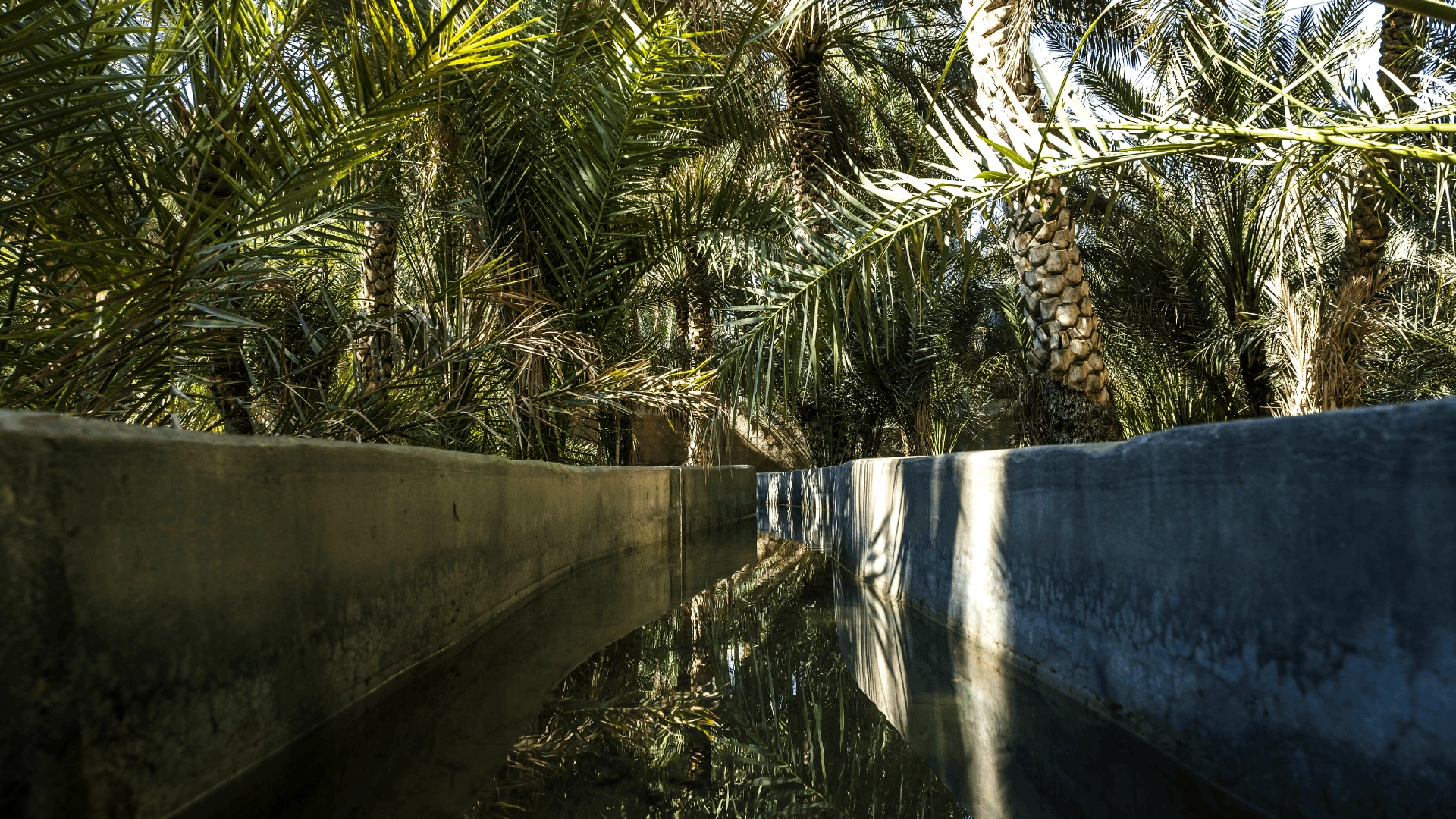
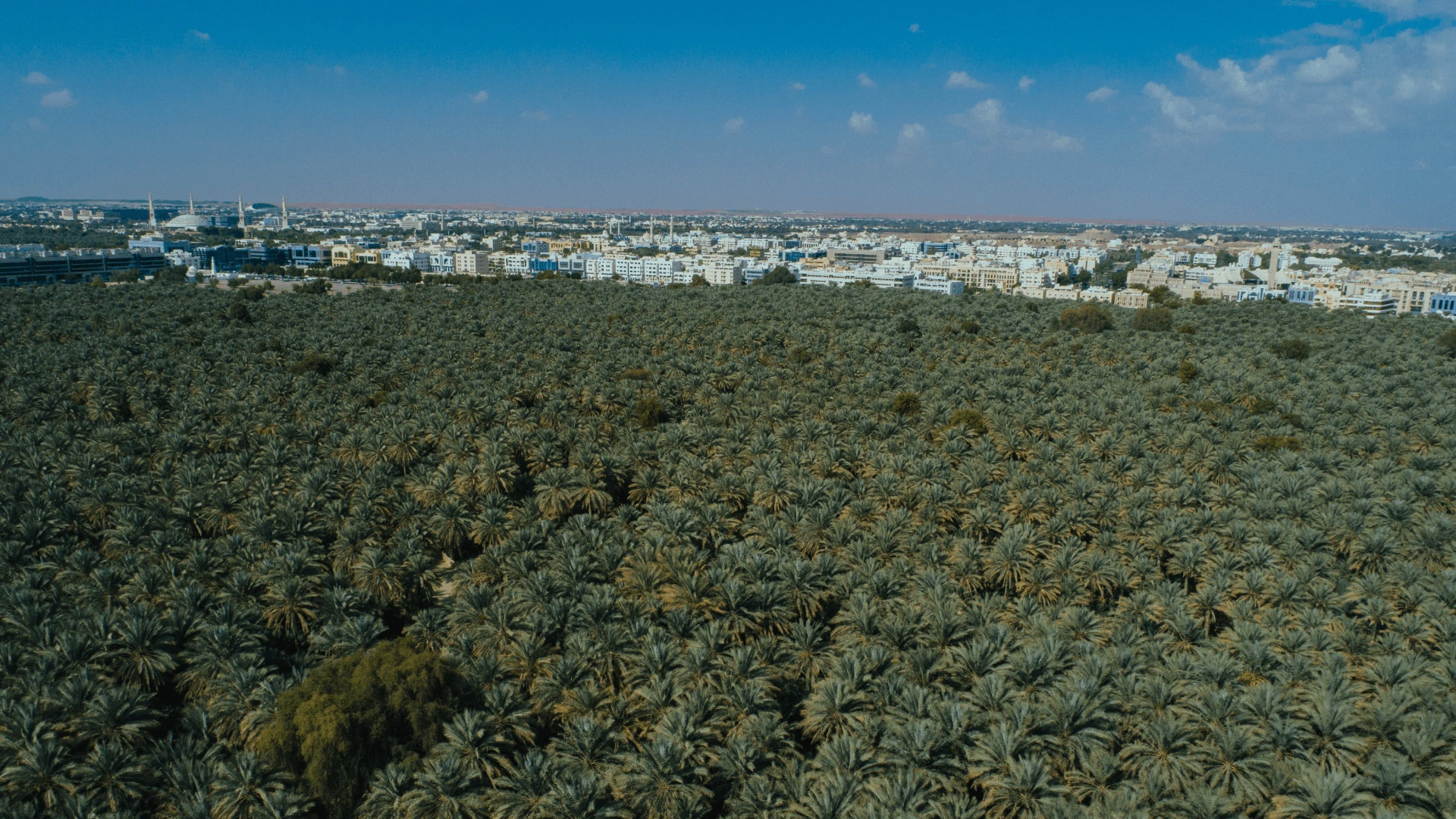
Al Ain, meaning "The Spring" in Arabic, is one of the world's oldest permanently inhabited settlements. Nestled between the Hajar Mountains and the Empty Quarter, Al Ain has flourished for over 4,000 years. Its six oases, Al Ain, Al Mutaredh, Al Muwaiji, Al Jimi, Al Qattara, and Hili were sustained by the ingenious aflaj irrigation system, which channelled mountain water to the desert plains. This innovation transformed Al Ain into fertile land, enabling farming, trade, and vibrant community life to thrive for millennia.
Department of Culture and Tourism - Abu Dhabi ©
A Legacy of Vision
Al Ain is deeply rooted in the legacy of the late Sheikh Zayed bin Sultan Al Nahyan, the Founding Father of the UAE. This city holds a unique place in the nation’s identity, reflecting his vision of preserving heritage, promoting sustainability, and embracing progress.
Guided by his leadership, Al Ain transformed from small oasis communities into a thriving modern city that respects its traditions while looking to the future. His legacy continues to shape Al Ain’s growth, where culture, the environment, and community values remain central to its development.
Guided by his leadership, Al Ain transformed from small oasis communities into a thriving modern city that respects its traditions while looking to the future. His legacy continues to shape Al Ain’s growth, where culture, the environment, and community values remain central to its development.
Department of Culture and Tourism - Abu Dhabi ©
A World Heritage City
In 2011, UNESCO recognised the Cultural Sites of Al Ain as a World Heritage Site, acknowledging its testimony to prehistoric cultures and advanced water management.
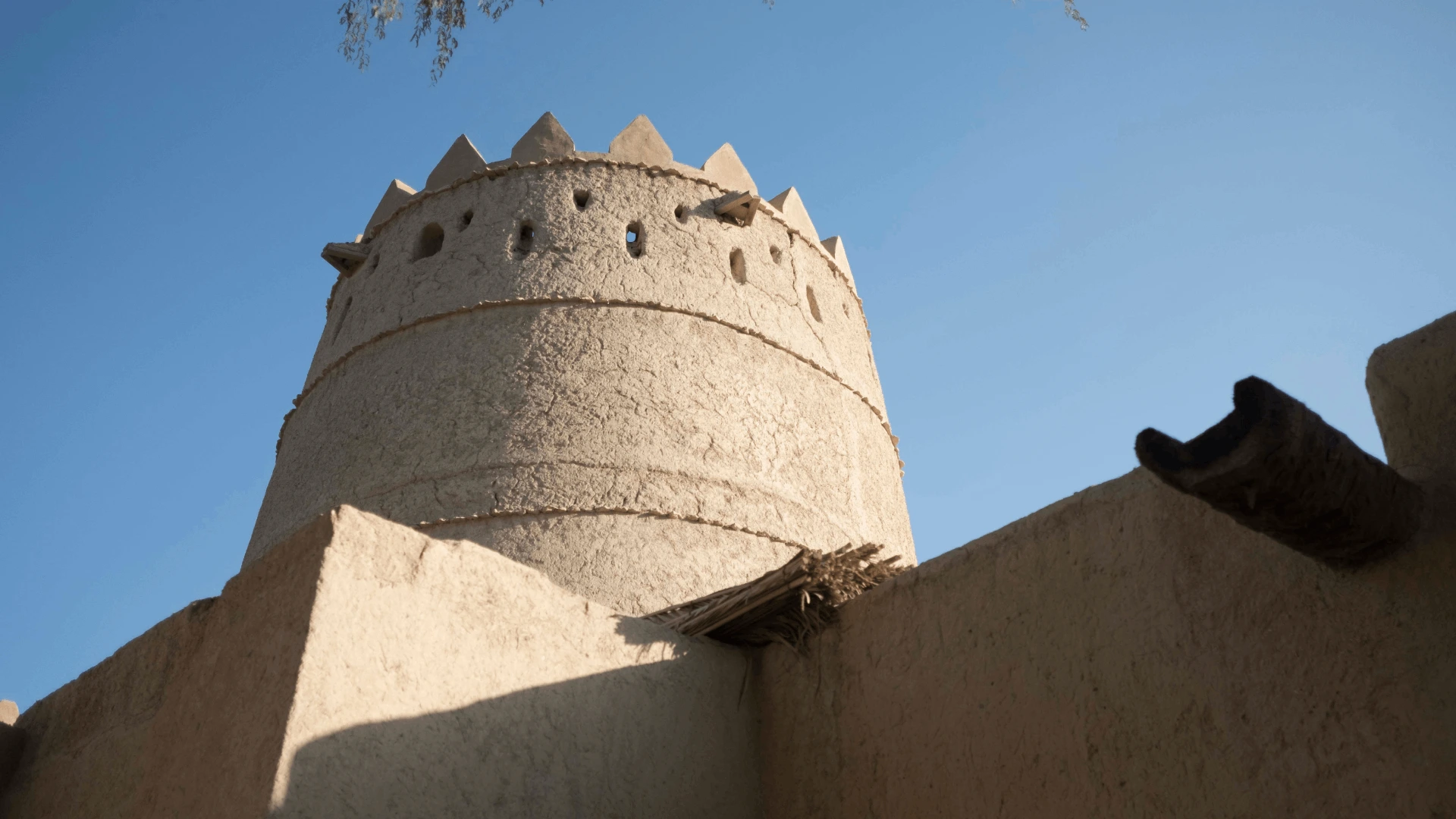
The city preserves 17 sites, including Bronze and Iron Age tombs, ancient settlements, and living oases. Today, landmarks such as Al Ain Museum, Al Jahili Fort, and Qasr Al Muwaiji showcase its role as a guardian of history and identity.
By honouring its past while embracing the future, Al Ain stands as a cultural beacon of resilience and sustainability.
The city preserves 17 sites, including Bronze and Iron Age tombs, ancient settlements, and living oases. Today, landmarks such as Al Ain Museum, Al Jahili Fort, and Qasr Al Muwaiji showcase its role as a guardian of history and identity.
By honouring its past while embracing the future, Al Ain stands as a cultural beacon of resilience and sustainability.
Department of Culture and Tourism - Abu Dhabi ©
Explore, Learn, Experience
Step into Al Ain's story through archaeological wonders, cultural treasures, and inspiring experiences at Al Ain Museum.
book ticketsExplore, Learn, Experience
Step into Al Ain's story through archaeological wonders, cultural treasures, and inspiring experiences at Al Ain Museum.